Archives
- 2026-10
- 2026-09
- 2026-08
- 2026-07
- 2026-06
- 2026-05
- 2026-04
- 2026-03
- 2026-02
- 2026-01
- 2025-12
- 2025-11
- 2025-10
- 2025-09
- 2025-03
- 2025-02
- 2025-01
- 2024-12
- 2024-11
- 2024-10
- 2024-09
- 2024-08
- 2024-07
- 2024-06
- 2024-05
- 2024-04
- 2024-03
- 2024-02
- 2024-01
- 2023-12
- 2023-11
- 2023-10
- 2023-09
- 2023-08
- 2023-07
- 2023-06
- 2023-05
- 2023-04
- 2023-03
- 2023-02
- 2023-01
- 2022-12
- 2022-11
- 2022-10
- 2022-09
- 2022-08
- 2022-07
- 2022-06
- 2022-05
- 2022-04
- 2022-03
- 2022-02
- 2022-01
-
br Introduction The principal pathways of adrenal and gonada
2024-04-13
Introduction The principal pathways of adrenal and gonadal steroidogenesis have been known for over 50 years (reviewed by Miller and Auchus, 2011). Cholesterol is first converted to pregnenolone via three reactions, 20-hydroxylation, 22-hydroxylation and scission of the 20,22 carbon–carbon bond,
-
Signaling through Axl can lead to activation of
2024-04-13
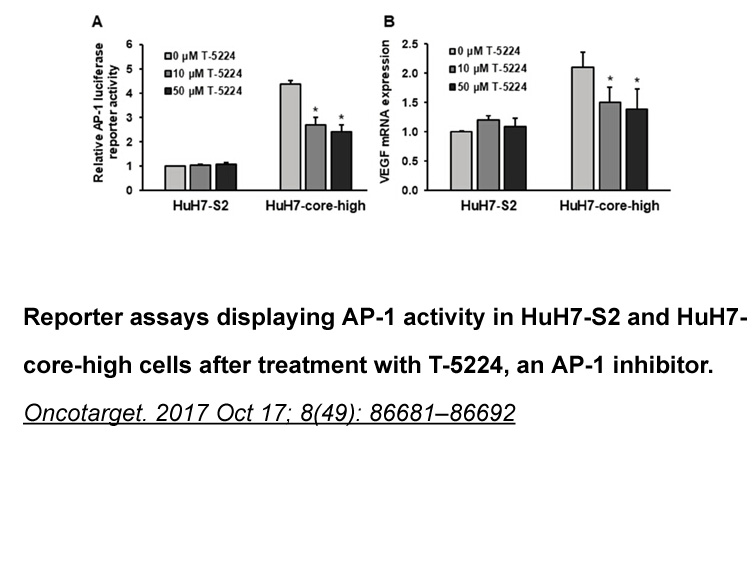
Signaling through Axl can lead to activation of the PI3K/Akt and Ras/MAPK pathways which promote cellular phenotypes (e.g., transformation, migration) consistent with pro-survival and pro-metastatic effects., , Inhibition of Axl activity by a variety of approaches (including pharmacologic, dominant
-
Recent studies have demonstrated that in response
2024-04-13
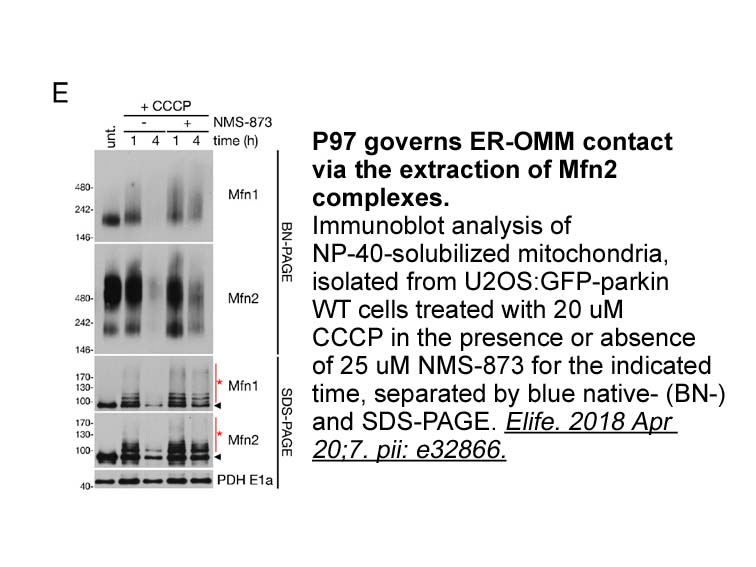
Recent studies have demonstrated that in response to IR, hundreds of substrates are phosphorylated in an ATM-dependent manner, clearly demonstrating the complexity of the ATM-mediated DDR pathways (Matsuoka et al., 2007, Bennetzen et al., 2010, Bensimon et al., 2010). However, evidence suggesting th
-
Cerebral ischemia occurs following the occlusion of a cerebr
2024-04-13
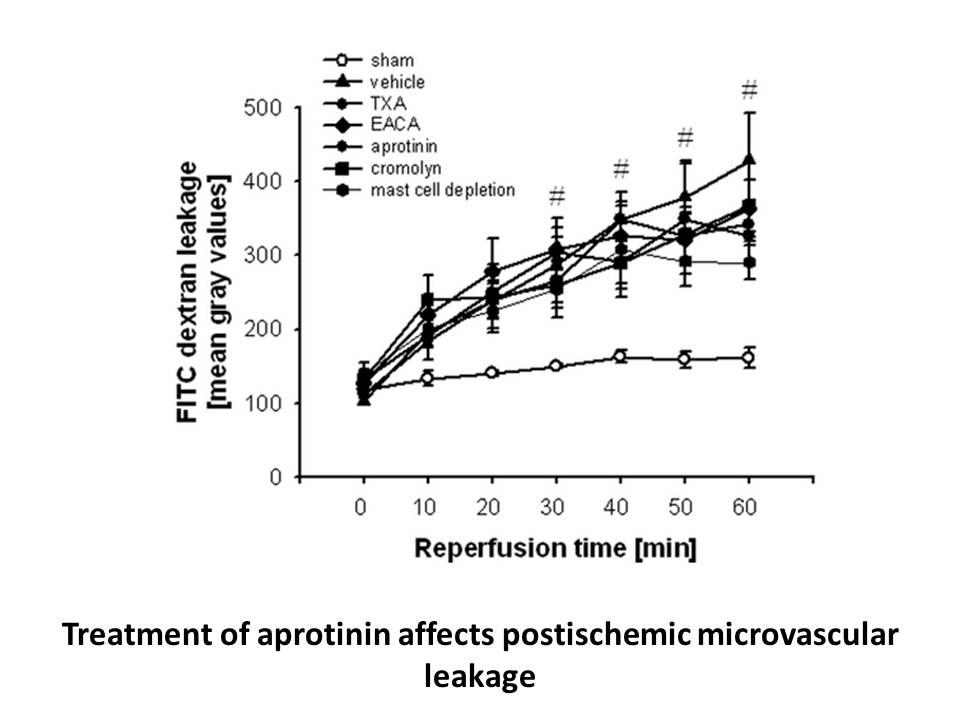
Cerebral ischemia occurs following the occlusion of a cerebral artery by a thrombus and causes cell swelling due to cytotoxic edema and BBB disruption with vasogenic edema (Loreto and Reggio, 2010, Nakaji et al., 2006, Shibata et al., 2004). Vasogenic edema is directly linked to alteration of the BB
-
br Conclusion In conclusion the arginase from
2024-04-13
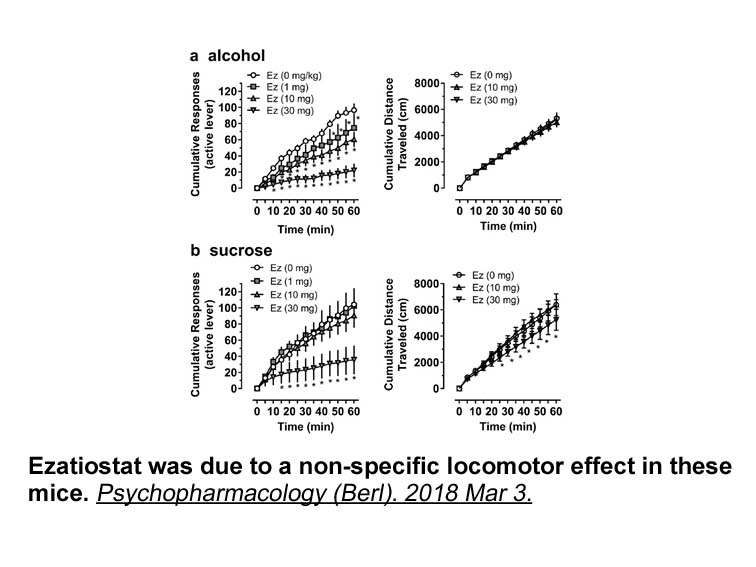
Conclusion In conclusion, the arginase from P. aeruginosa IH2 was purified with electrophoretic homogeneity. Purified enzyme was homo-dimer and showed significant activity and catalytic stability near to the pH of circulating system and temperature of human body. The prolonged serum and proteolyt
-
In the early s in addition to above
2024-04-12
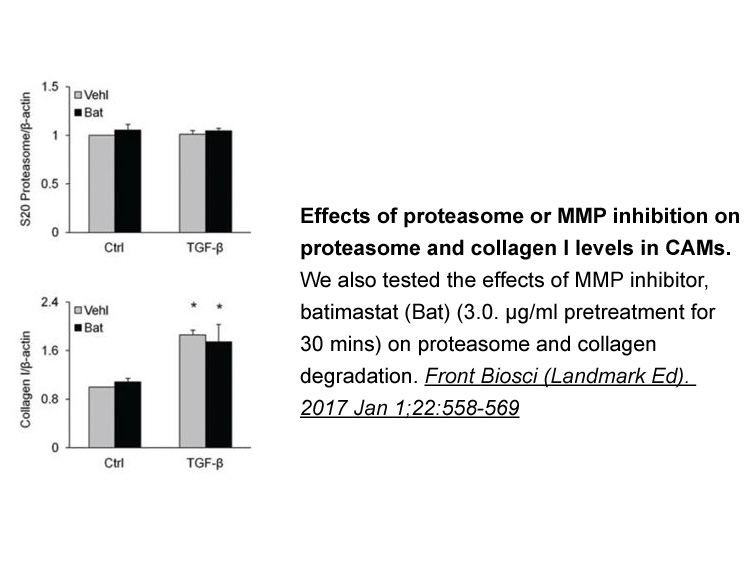
In the early 2000s, in addition to above-mentioned plant derived compounds, several peptide fragments from protein sources (e.g. gelatin, egg yolk, meat, fish, chicken, legumes) have been also confirmed as potential natural antioxidants and extensive studies about bioactive peptides have been conduc
-
Recently whey products have been
2024-04-12
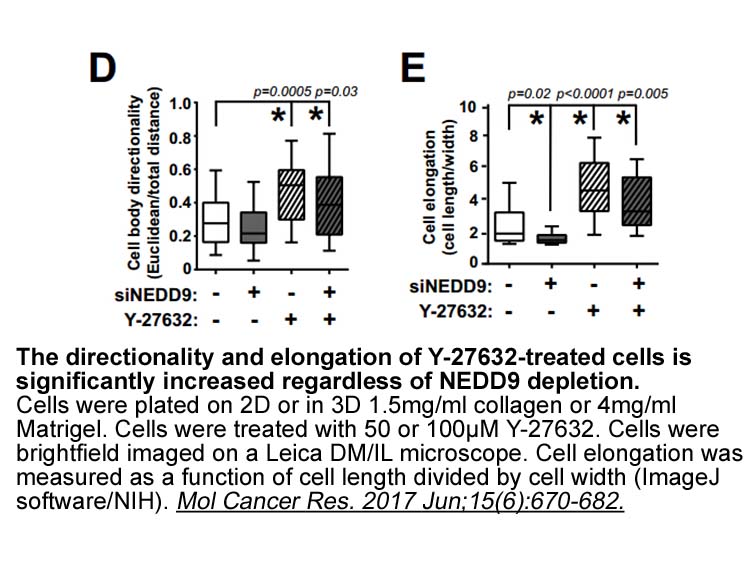
Recently, whey products have been added to nutritional beverages to boost their antioxidant capacity. Supplementation of a lemon drink with 1% WP hydrolyzed by subtilisin increased the antioxidant activity of the beverage from 0.75 to 7.79 mmol of TE/L (Athira et al., 2014). In addition, a flavored
-
br AR mediated actions in cells of the vascular wall
2024-04-12

AR-mediated actions in AZ505 sale of the vascular wall Sex hormones may influence the size and composition of atherosclerotic lesions indirectly by modifying systemic cardiovascular risk factors such as plasma lipids profiles and insulin sensitivity; this aspect of their action is discussed else
-
SEA0400 The most common adverse effects were ARIA which
2024-04-12
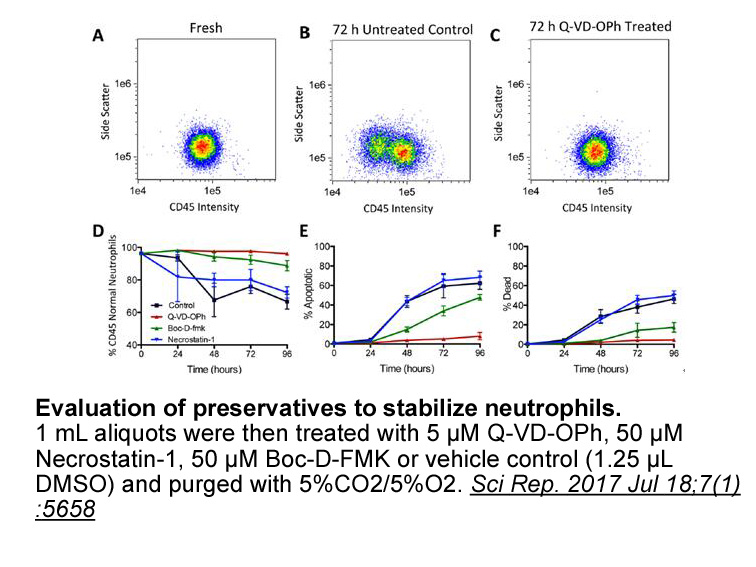
The most common adverse effects were ARIA, which occurred at higher levels than in any previous anti-Aβ mAb study. ARIA-E was observed at some point during the trial in no participants in the placebo group compared with 1 (3%), 2 (6%), 11 (37%), and 13 (41%) participants receiving 1, 3, 6, and 10 mg
-
Table reports the results for the categorical
2024-04-12
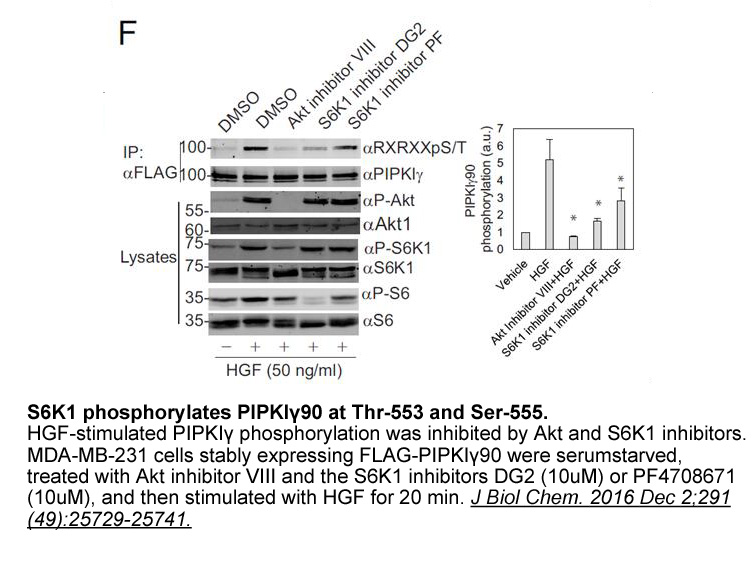
Table 3 reports the results for the categorical coding of diagnosis. The categorical coding is less hypothesis driven than the continuous coding because it allows for nonlinear interactions that are driven by only two groups (CN → MCI stable, CN → MCI progressor, and CN → AD). That said, this analys
-
br Materials and Methods br Results A total of
2024-04-12
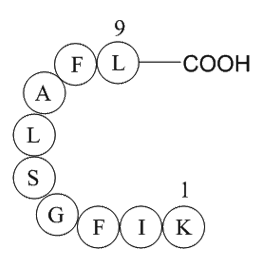
Materials and Methods Results A total of 28 NSCLC tumor samples from 26 patients (2 patients with paired tumor samples) were included. According to the initial FISH (Abbott Molecular probes) and IHC results, 13 samples were ALK IHC+FISH+, 5 samples were ALK IHC+FISH−, 2 samples (from the same
-
Spectroscopic techniques are powerful biophysical tools
2024-04-12
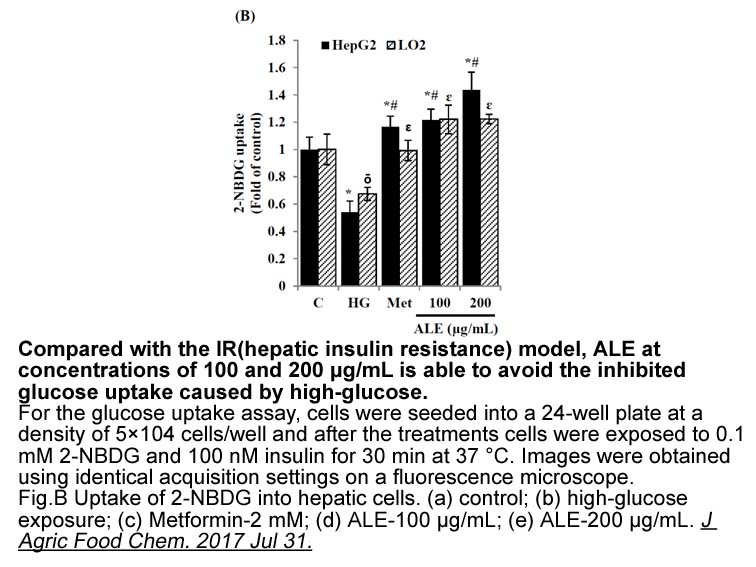
Spectroscopic techniques are powerful biophysical tools used in the study of biomolecular structures, including those of proteins. UV–Vis antimalaria medication spectroscopy makes use of absorption property of the protein peptide backbone at around 218 nm, and aromatic amino acid residues primarily
-
HT receptors are distributed throughout
2024-04-12
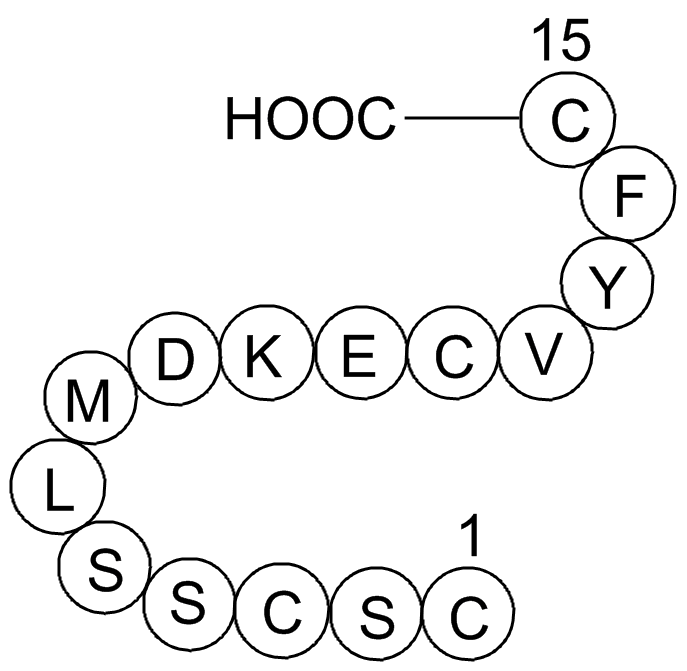
5-HT3 receptors are distributed throughout the brain, within the brainstem (e.g., nucleus tractus solitarius, area postrema and spinal trigeminal nucleus) and blasticidin (e.g., hippocampus, amygdala, nucleus accumbens, putamen and caudate) (Abi-Dargham et al., 1993, Barnes et al., 1989, Bufton et
-
Chlorothiazide The central problem in amnesia developing fol
2024-04-12
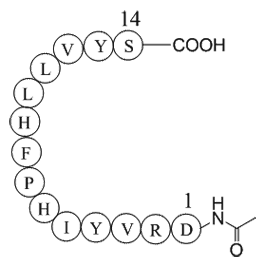
The central problem in amnesia developing following impairment of long-term memory consolidation or reconsolidation is a question of the underlying mechanisms, whether it is caused by impairment of retrieval or memory storage mechanisms [3,8,9,[15], [16], [17], [18]]. To answer this question, severa
-
br ACK inhibitors Since ACK activation
2024-04-12
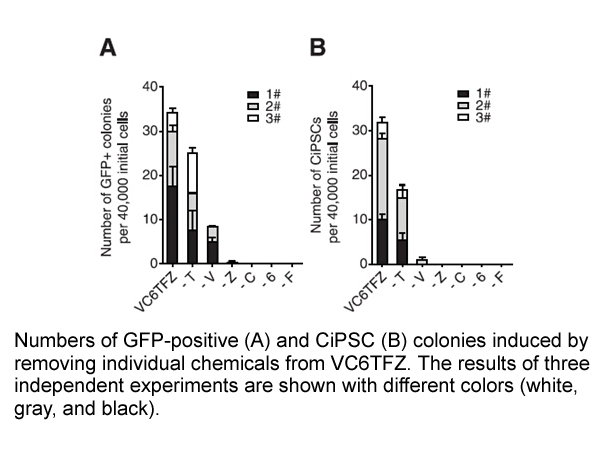
ACK1 inhibitors Since ACK1 activation is correlated with poor prognosis in various cancers, strong efforts are being directed by multiple groups towards developing highly potent and specific small molecule inhibitors targeting the ACK1 kinase. At least eight small molecule kinase inhibitors have
8505 records 203/567 page Previous Next First page 上5页 201202203204205 下5页 Last page